once the best available for restoring functionality and appearance, modern advancements in dental technology have introduced dental implants, which offer a superior alternative. One of the primary limitations of dentures and bridges is that they often fall short of mimicking the natural look and feel of real teeth. Chewing tougher foods can also be challenging. Dental implants, however, deliver exceptional results by closely replicating the appearance, strength, and performance of natural teeth.
Dental implants are crafted from titanium, a lightweight yet durable material. These implants are surgically inserted into the jawbone, where they act as secure anchors for replacement teeth. After the healing process is complete, custom crowns are attached to the implants, providing a seamless solution for missing teeth. A single implant can support multiple crowns, allowing flexibility in restoring several teeth at once.
Because dental implants are designed to resemble natural teeth in both appearance and function, they are virtually indistinguishable from your original teeth. They integrate securely with the jawbone, giving you the confidence to eat, chew, and smile freely without concern. Unlike bridges, which rely on neighboring teeth for support, implants are self-sufficient and do not place unnecessary strain on adjacent teeth. This reduces the risk of damage to healthy teeth while offering a long-lasting and comfortable solution.
With dental implants, you can achieve a functional, natural-looking smile that improves your quality of life, helping you enjoy your favorite foods and smile with confidence.
Do not wait any longer. Book your appointment now and achieve the smile you have always wanted. Dr. Kitson

Importance of Dental Health During Pregnancy
Good oral hygiene plays a crucial role in maintaining overall health and well-being. During pregnancy, hormonal changes in the body can lead to an increased risk of several dental problems such as gum disease, tooth decay, and tooth erosion. In addition to these issues, poor dental health during pregnancy has been linked to adverse pregnancy outcomes such as premature birth and low birth weight.
Brief Overview of Common Dental Concerns During Pregnancy
There are several unique dental concerns that pregnant women may face:
- Gingivitis: hormonal changes in the body cause an increase in blood flow to gums making them more sensitive and prone to inflammation which leads to gingivitis
- Tooth decay: morning sickness causes acid reflux which leads to enamel erosion on teeth
- Pregnancy tumors: overgrowth or swellings occur more often on gum tissue due to hormonal changes
- Dry mouth: pregnant women may experience dry mouth due to hormonal fluctuations which can lead them vulnerable for cavities and gum disease
- Cavities: pregnant women may develop cavities if they consume more sugary foods or experience morning sickness
Although these dental concerns can be concerning, they can be prevented with proper oral hygiene and regular dental check-ups. Next, we will delve into the most common dental problems experienced by pregnant women: hormonal changes and gum disease.
Hormonal Changes and Gum Disease
Pregnancy is a unique phase of life when a woman’s body undergoes many hormonal changes. These changes can increase the likelihood of developing gum disease, also known as periodontal disease.
The hormone progesterone, which increases during pregnancy, causes an exaggerated response to plaque and bacteria in the mouth. This can lead to red, swollen and bleeding gums.
Symptoms and signs of gum disease in pregnant women
Early signs of gum disease include swollen gums that bleed easily when brushing or flossing. As the disease progresses, pockets form between the teeth and gums and may cause bad breath or a bad taste in the mouth. In advanced stages, teeth may become loose or fall out.
Prevention and treatment options for gum disease during pregnancy
Prevention is always better than cure, so it’s important to maintain good oral hygiene practices during pregnancy such as brushing twice daily with fluoride toothpaste and flossing regularly. Regular dental check-ups with a dentist are also crucial as they can identify any potential issues early on.
Treatment for gum disease during pregnancy may include deep cleaning procedures such as scaling and root planing (which removes plaque build-up below the gum line) or more extensive treatment if needed after delivery. If you suspect you have gum disease while pregnant, you should contact your dentist right away to schedule an appointment.
Morning Sickness and Tooth Erosion
Morning sickness is a common symptom experienced by many pregnant women. This condition is characterized by nausea and vomiting, particularly during the first trimester of pregnancy. Unfortunately, the acidic vomit produced during morning sickness can have a negative impact on dental health.
The acid present in vomit can cause tooth erosion, which is the wearing away of the enamel on teeth. Tooth erosion can cause sensitivity and pain while eating or drinking.
Tips for Preventing Tooth Erosion During Pregnancy
Preventing tooth erosion during pregnancy starts with good dental hygiene practices. Pregnant women should brush their teeth twice daily for at least two minutes with fluoride toothpaste. They should also floss daily to remove food particles that may be stuck between teeth and gums.
Additionally, pregnant women should rinse their mouth with water after vomiting to help neutralize any stomach acid left in the mouth. Pregnant women can also take steps to reduce morning sickness symptoms, which will ultimately help prevent tooth erosion.
Eating small meals throughout the day instead of large meals can reduce nausea and vomiting episodes. Drinking plenty of fluids, such as water or herbal tea, can also help reduce morning sickness symptoms.
Treatment Options for Tooth Erosion in Pregnant Women
If tooth erosion does occur during pregnancy, treatment options will depend on the severity of the condition. If caught early enough, enamel remineralization treatments may be used to restore some of the lost enamel on teeth.
In more severe cases, restorative dentistry procedures such as fillings or crowns may be necessary to repair damaged teeth. However, it’s important for pregnant women to consult with their dentist regarding any dental procedures they may need as some treatments are not recommended during pregnancy.
Pregnancy Tumors
Definition and Explanation of Pregnancy Tumors
Pregnancy tumors, also known as pyogenic granulomas, are non-cancerous growths that can develop on the gums during pregnancy. These growths are typically localized, meaning they only affect one area of the gums, and can range in size from a few millimeters to over a centimeter. They are usually painless, although some women may experience discomfort or bleeding when brushing their teeth.
Symptoms, Causes, and Risk Factors Associated with Pregnancy Tumors
The exact cause of pregnancy tumors is unknown. However, hormonal changes during pregnancy are believed to play a role in their development.
Specifically, an increase in estrogen and progesterone levels can cause an overgrowth of blood vessels in the gums. This overgrowth can then lead to the formation of pregnancy tumors.
While pregnancy tumors can develop in any woman who is pregnant, some women may be at a higher risk than others. For example, women who have poor dental hygiene or pre-existing gum disease may be more likely to develop these growths.
The symptoms of pregnancy tumors include red or purple bumps on the gums that bleed easily when touched or brushed. Some women may also experience pain or discomfort in the affected area.
Treatment Options for Pregnancy Tumors
In most cases, pregnancy tumors do not require treatment and will go away on their own after delivery. However, some women may choose to have them removed if they cause discomfort or embarrassment. If treatment is necessary, there are several options available.
One common treatment is surgical removal of the tumor under local anesthesia. Laser therapy may also be used to remove the growth while minimizing bleeding and discomfort.
Good oral hygiene practices such as regular brushing and flossing can help prevent the development of pregnancy tumors during pregnancy. Additionally, seeing a dentist for regular checkups and cleanings can help identify and treat any dental concerns before they become more serious issues.
Medications During Pregnancy
The Impact of Medications on Dental Health
Pregnant women are often prescribed medications to manage various health issues, but some medications can affect dental health. For example, certain antibiotics like tetracycline can cause tooth discoloration in developing fetuses.
Additionally, some over-the-counter pain relievers like aspirin and ibuprofen are not recommended during pregnancy because they can increase the risk of bleeding. Therefore, pregnant women should always inform their dentists and doctors about any medications they are taking to ensure that they receive the appropriate dental care.
Safe Medications for Pregnant Women
There are many safe options for pregnant women who need dental treatment. For example, topical fluoride treatments and local anesthesia are generally considered safe during pregnancy.
Antibiotics like penicillin and erythromycin are also generally safe for use during pregnancy. However, it is important to remember that every medication has risks associated with it, so dentists and doctors must weigh the benefits against any potential adverse effects.
Precautions when Taking Medication
While certain medications may be deemed safe during pregnancy, it is always important to take precautions when taking any medication. Pregnant women should always follow their doctors’ instructions carefully and only take medications as prescribed. They should also avoid self-medicating or taking medication without consulting a healthcare provider first.
Furthermore, pregnant women should inform their dentists or doctors if they experience any side effects from their medication or if they have any concerns about their treatment plan. Overall, while there may be some risks associated with taking medication during pregnancy as it affects dental health; seeking professional advice from healthcare providers can help minimize these risks and promote healthy outcomes for both mother and baby.
Nutrition During Pregnancy And Its Effect On Dental Health
Importance of nutrition in maintaining good oral health
A healthy diet is essential for maintaining good oral health during pregnancy. It is important to eat a well-balanced diet that includes a variety of fruits, vegetables, whole grains, lean proteins, and dairy products.
Calcium and vitamin D are particularly important for maintaining strong teeth and bones. Pregnant women should also drink plenty of water to stay hydrated.
Listing out foods that promote good oral health
Foods that promote good oral health include those that are rich in calcium and vitamin D, such as dairy products (milk, cheese, yogurt), leafy greens (kale, spinach), almonds, and salmon. Foods high in vitamin C (citrus fruits, strawberries) can also help strengthen gums and prevent gum disease. Crunchy fruits and vegetables like apples and carrots can help clean teeth naturally.
Foods That Should Be Avoided
During pregnancy it’s best to avoid sugary foods which contribute to tooth decay. Soft drinks should be avoided as they contain high levels of sugar which can harm the teeth already weakened by hormonal changes during pregnancy. Eating between meals or snacking all day leads to increased exposure to acid which is not good for the teeth either.
Eating a balanced diet during pregnancy is essential for overall health including dental hygiene.
Proper nutrition helps ensure the growth of a healthy baby while decreasing risks associated with premature birth or low birth weight. By consuming enough vitamins & minerals from quality food options pregnant women will maintain strong teeth while reducing their risk of gum disease or tooth decay even with hormonal fluctuations during pregnancy.
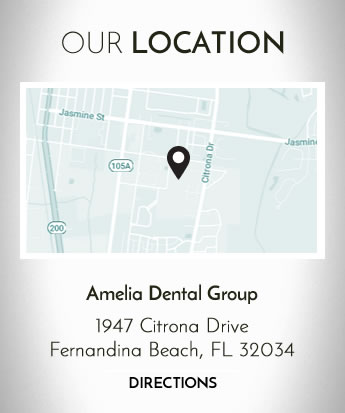
Ready to transform your smile? Schedule your appointment today at our Fernandina Beach dental office.

Root canal therapy is a painless procedure performed when decay has caused enough damage to a tooth that the tooth is dying or has already died. During treatment, your dentist or endodontist removes the diseased or damaged pulp from the tooth and then refills the tooth cavity. To ensure a successful and pleasant treatment, here are some basic do’s and don’ts to follow:
Do take any medication your dentist has prescribed for you to take prior to root canal therapy.
Don’t anticipate pain; be calm and relaxed during your treatment.
Do expect mild discomfort for 2-3 days following the procedure. Apply an ice pack and sleep with your head elevated to minimize swelling.
Don’t skip on taking prescribed pain medications, even if you are not experiencing extreme pain.
Do avoid biting on hard foods or meddling with the affected tooth during the course of treatment.
Don’t drink excessively hot or cold beverages until the completion of treatment.
Do continue normal brushing on the root canal treated tooth.
Don’t smoke or drink alcohol within 24 hours of root canal therapy.
Do eat a soft diet for several days and avoid chewing on the treated tooth until a permanent restoration is placed.
Don’t delay having the treated tooth capped with a crown or other restoration to avoid fracture or additional damage, causing failure of your root canal therapy.
Do contact your dental professional immediately should you have any complications or questions during your recovery, and make sure to keep any follow-up appointments scheduled by your dentist or endodontist.
Root canal therapy has a 95% success rate. By following these simple guidelines, you can help to ensure a positive result from your root canal therapy and enjoy many more years of a healthy smile.
and Dr. Mokris is accepting new patients from Fernandina Beach and the surrounding area.

Sedation dentistry is designed mainly to focus on patients experiencing fear and anxiety related to dental treatment; however, it is also an excellent choice for other patient types. Following are the main groups who experience relief and comfort from sedation dentistry:
- Patients experiencing anxiety and fear or a dental phobia
- Patients possessing an acute gag reflex
- Patients who have special needs
- Patients with physical issues that affect movement
- Anxious or fearful pediatric patients
Dental professionals want a patient to be as stress-free as possible immediately prior to and during a dental visit. Relieving anxiety and fear can turn an unpleasant, stressful experience into a comfortable visit, resulting in a desire to continue dental health and hygiene by returning for regular examinations and procedures.
An acute gag reflex can leave a patient concerned about vomiting during a dental procedure; in fact, many procedures such as taking impressions or working on the back teeth may be impossible. Sedation dentistry helps patients greatly reduce this gag reflex issue, as it is often exacerbated by anxiety and fear.
Patients who have special needs related to autism, Down Syndrome, or a mental or emotional problem may have real difficulty during dental visits. Other patients may deal with physical conditions such as cerebral palsy, Parkinson’s disease, or other disorders of the central nervous system. Patients in this group may have difficulty following instructions or remaining still. Sedation dentistry solves issues of involuntary muscle movements, allowing the dentist to safely and quickly complete treatment.
Fearful children can be problematic for dentists. Children who cannot be still, comply with instructions, or stop crying can cause time-consuming safety issues. Sedation dentistry allows a dentist to perform treatments without physical restraints that could cause emotional trauma to the child, leading to adult dental phobias and fears.
Visiting the dentist and caring for your dental health should be comfortable. Contact our dental office to see what can be done to make your visit as stress-free as possible using sedation dentistry in Fernandina Beach.

It can be rather upsetting to see that your smile is no longer as bright and appealing as it used to. Most people’s teeth become stained and discolored as a result of diet and poor oral hygiene habits. It can make the whole appearance look dull and unkempt, giving others the impression you don’t take good care of yourself. Let’s find out the causes and what you can do about it.
Causes
There are some reasons that teeth become stained or yellowed. The culprits for tooth discoloration are as follows:
- Tobacco – Smoking or chewing on them stains teeth.
- Foods and drinks – Coffee, colas, wines, tea, berries, sauces, and other items that you consume can damage your tooth color.
- Medications – Certain medications are known to discolor teeth, sometimes causing severe stains that are difficult to remove.
- Poor oral hygiene – Improper brushing and flossing is key in removing plaque and stains.
- Age – Aging wears away tooth enamel and reveals the yellowish dentin underneath.
- Disease – Some diseases can harm tooth enamel and trigger discoloration. Certain medical treatments like radiation and chemotherapy can also discolor teeth.
- Environment – Excessive fluoride exposure can stain teeth; this is known as fluorosis.
- Genetics – Some people are more prone to tooth discoloration than others.
- Trauma – A hit to the maxillofacial region can damage the tooth and cause discoloration due to pulp necrosis.
Prevention
Lifestyle changes can prevent tooth discoloration, such as avoiding foods and drinks known to stain teeth. Improving oral hygiene is another step in the right direction, including regular brushing and flossing and consistent professional teeth cleanings.
Treatment
The options vary depending on the severity of discoloration and goals of the patient. Whitening methods include over-the-counter whitening products, at-home whitening kits provided by the dentist, professional in-office whitening treatments, bonding, and dental veneers. These tools cater to various needs according to the patient’s concerns.
Take the first step towards a confident smile. Contact our Fernandina Beach dental office to schedule your consultation!