General dentistry offers exactly what the name implies: dental care related to the general maintenance of good oral health. The ideal way to look at dentistry is preventative, which means focusing on good oral hygiene and functionality before problems can take hold. Finding a qualified and skilled general dentist who you visit every six months for checkups is the best way to prevent serious dental issues and help you maintain excellent oral health.
A trip to the general dentist for you or any of your family members, no matter their age, is a smart way to keep your smile looking and feeling great. Your general dentist will help create the perfect dental plan that depends on your personal oral health and needs. A typical dental visit includes thorough examination, X-rays or other diagnostic tests, professional teeth cleaning, and any treatments that might be needed for your condition. If a certain treatment isn’t available through your general dentist, it’s likely that you’ll receive a referral to a reputable specialist to complete the work.
Every dentist is unique, so you’ll need to inquire about the specific treatments available at your dentist’s practice. Some common services that many general dentists provide include:
- Dental sealants
- Fluoride treatments
- Professional cleanings
- Gum scaling or recontouring
- Fillings
- Bonding
- Root canal therapy
- Crowns and bridges
- Dental implants
- Dentures
- Veneers
- Orthodontics
In addition to dental treatments, your general dentist will evaluate your at-home hygiene routine and make suggestions for improvement. You will learn proper brushing and flossing techniques, as well as learn about any additional products or practices that might improve your oral health. Your general dentist wants you and your family to have the best smiles and oral health possible, and will help you achieve that goal.
We treat patients from Fernandina Beach and the surrounding area
Thanks to advanced techniques and technology, your family dentist can now offer you and your family a wide variety of cosmetic dentistry treatments to help you achieve the smiles you desire. There is often no need to search for a specialized cosmetic dentist, as your family dentist can provide many of the cosmetic dental procedures right in their office. Some of the cosmetic treatments you can expect to find at many family dentists include:
- Professional teeth whitening is used to improve the appearance of stained or discolored teeth, can be completed in as little as one visit, and can lighten teeth up to ten shades.
- Dental bonding with tooth-colored resin can be applied to repair discolored or chipped teeth.
- Crowns and bridges can be placed to fix damaged or missing teeth and can be matched to the color, height, texture and overall appearance of your natural teeth.
- Tooth-colored composite fillings come in multiple shades to match your natural tooth and are used as an attractive alternative to traditional silver or gold fillings.
- Porcelain veneers are placed to conceal cracks, chips, and gaps and create a whiter, more perfect smile.
- Inlays or onlays, also called indirect fillings, can be made of composite, tooth-colored material, are long-term, and are used on teeth with tooth decay or other damage needing larger coverage than a traditional filling.
- Complete and partial dentures are used to replace missing teeth and create a more natural-looking smile.
- Invisalign is an orthodontic solution used to straighten misaligned or crooked teeth.
Many of these procedures can be combined to create the beautiful and healthy smile you desire. Schedule a consultation with your family dentist to find out more about the cosmetic procedures they offer to help you achieve a winning smile.
We treat patients from Fernandina Beach and the surrounding area
Whitening your teeth to improve your smile is a popular cosmetic treatment, but you should understand that it does have some limitations to consider. If products are used correctly or if you seek the professional help from a qualified dentist, you can usually achieve a bright and appealing smile. Here are some things to think about when it comes to teeth whitening.
Methods:
You should not expect over-the-counter methods to whiten your teeth more than a couple of shades. The whitening ingredients available in products at your drugstore are not as strong as those used at your dentist’s office. Consistent and correct use of over-the-counter options can help whiten your teeth, but it may not be as much as some patients hope will occur. On the other hand, professional methods can produce dramatic and quick improvements to the color of your teeth.
Habits:
Certain habits contribute to stains on your teeth and if you don’t limit or stop activities prone to discoloring teeth, your newly whitened teeth may become discolored again. Foods like berries and curry, drinks such as coffee and red wine, and habits like smoking will all likely negatively affect your tooth color.
Restorations:
Bridges, crowns, and laminates might not respond in the same way to whitening agents as your natural teeth do. Ask your dentist about how your restorations might react to teeth whitening.
Side effects:
Tooth sensitivity is the most common side effect of whitening procedures, causing some patients to be unable to handle some methods of treatment. Gum sensitivity is another potential problem, but usually dissipates soon after the whitening procedure. Weakening of a restoration may also occur during whitening treatment, sometimes making it necessary to replace them.
Expectations:
Teeth whitening must be occasionally repeated if you want your bright smile to remain for a lifetime. The effects do not last indefinitely, because aging and activities can stain your teeth. Excessive bleaching may damage your teeth though, so be sure to discuss your whitening treatment with your dentist.
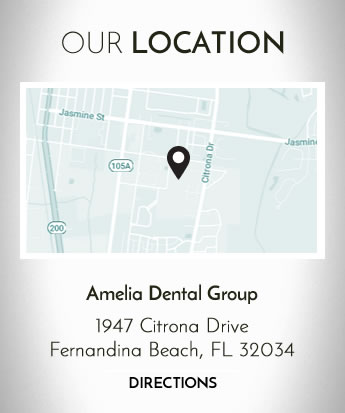
Our dental office is located in Fernandina Beach
If you or a loved one is scheduled to have or has recently had oral surgery, you probably have a lot of questions. Here are some of the most common questions:
- One of my stitches came out after my surgery, should I be worried? Losing a stitch isn’t a problem. In the majority of cases, stitches are put in place during surgery to assist in clot formation and bleeding control. If you have undergone a bone-graft procedure, however, contact your surgeon because you may need to be seen immediately.
- What can I eat after surgery? Immediately following surgery, eat only soft foods of tepid temperature. Avoid very hot or very cold foods. Eat nothing that is crunchy or chewy so you won’t damage the surgical site.
- I am having a lot of pain following my procedure, what should I do? If you have been prescribed pain medication, take it as recommended. If no prescription was given, use over-the-counter medicines containing natural anti-inflammatory properties such as ibuprofen. Stay hydrated by drinking room temperature water and get plenty of rest.
- I had a tooth extracted, how can I tell if I have a dry socket? Dry socket is the result of the loss of the blood clot present in the extraction site. Smoking, using a straw, poor oral hygiene or failure to rest properly following the extraction procedure can lead to this condition. Typically dry socket will present within one week of extraction and is treated with sterile wash and pain-relieving, medicated gauze.
- I had a procedure this morning and am still bleeding. Is that normal? Bleeding following extractions or other surgical procedures is common. If you are bleeding more than normal, bite down on some sterile gauze or a damp teabag for twenty or thirty minutes. Don’t keep removing the gauze to look for blood; that can make the bleeding worse. Call your surgeon if you feel your bleeding is excessive.
Your oral surgeon can answer these questions and more. Don’t hesitate to call the surgeon’s office to get the peace of mind you require to heal comfortably following your procedure.
Schedule your appointment at our Fernandina Beach dental office
Fear and anxiety make dental treatment a challenge for many people. Sedation dentistry offers many options to help patients overcome their fears and experience a more comfortable, relaxing treatment. One of the most common options in sedation dentistry is oral conscious sedation. Here are some common questions about oral conscious sedation and answers about how it can help alleviate your stress about undergoing dental procedures:
- What is oral conscious sedation? This type of sedation utilizes a combination of pain relievers and sedatives to induce an altered state of consciousness that allows you to undergo all kinds of dental treatment in a totally relaxed and comfortable state.
- Am I asleep during the procedure? Patients who receive oral conscious sedation are drowsy but awake and able to communicate with their dental professional. This type of dental sedation allows you to be relaxed but aware.
- Will I feel pain during the dental treatment? With oral conscious sedation, you will most likely not feel any discomfort or pain.
- Is oral conscious sedation safe? While it is considered safe for most patients, your dentist will evaluate your medical and dental health to determine if you are a good candidate for oral sedation.
- Can I resume normal activity immediately after receiving oral sedation? Because you may still be slightly drowsy and under the effects of the medication, it is advised that you arrange to have a friend or family member drive you home after treatment.
- Will I have bad memories of my dental treatment? With oral conscious sedation, you will feel completely relaxed and have little to no memory of your dental procedures.
Thanks to sedation dentistry options like oral conscious sedation, you no longer have to dread or postpone necessary dental treatment due to fear and anxiety. Contact your dentist to find out how they can help you conquer your fears and restore your oral health with this gentle approach to dentistry.
Schedule your appointment at our Fernandina Beach dental office
If you are considering straightening your teeth, you may be looking into various orthodontic options. One treatment for correcting a crooked or overcrowded smile is Invisalign. Invisalign uses a clear set of BPA-free plastic trays called aligners to straighten teeth without the metal and brackets associated with traditional braces. The following are some common questions you may have about Invisalign:
Who is a good candidate for Invisalign? Patients who have healthy teeth and gums are usually good candidates for Invisalign. Adults, teens, and older children whose teeth, including their second molars, have grown in completely can be considered for treatment with Invisalign.
What kinds of problems can Invisalign correct? Invisalign corrects the same dental problems as traditional braces, including simple to severe overcrowding, gaps, crossbite, overbite, and underbite.
How long does Invisalign treatment take to complete? Most Invisalign cases are completed within one year. However, the exact amount of treatment time is dependent on your individual situation.
How long do I have to wear the aligners each day? You will remove the Invisalign aligners when you eat, drink, or clean your teeth. Otherwise, the aligners should be worn for a recommended 22 hours per day to achieve the desired results.
Are there food restrictions with Invisalign? Because you remove the aligners when you eat, there are no limitations to the types of food you can eat while undergoing treatment.
Are retainers necessary with Invisalign? Once you have completed treatment, you will need to wear retainers while you sleep to ensure your teeth stay perfectly straight.
To determine if Invisalign is a viable option for your specific orthodontic needs, you should schedule a consultation with an Invisalign trained dental professional where you can ask additional questions specific to your case. No matter what stage of your life, Invisalign offers a comfortable, state-of-the-art approach to beautifying and improving the quality of your smile.
Our dental office is located in Fernandina Beach