Root canal treatments are specifically designed to relieve the tooth pain associated with an infected tooth root. Patients come in with pain, and often leave the procedure with less discomfort than before. However, if you’ve recently had a root canal treatment on one or more of your teeth, you might be experiencing discomfort following the procedure. Fortunately, there are things you can do at home to take care of it.
Are your gums sore, tender or swollen surrounding the affected tooth? This is likely the result of the tiny metal clips that affix a rubber dam around the tooth, protecting it and protecting your mouth. The clips are attached along the gum line, and can leave tiny bruises or sometimes small cuts in the soft gum tissue. This pain should alleviate within two days of the treatment.
Is the tooth itself sore? This is a common occurrence and is typically the result of an inflammation of the mouth tissues that encase the tooth root. The tools used by the endodontist to perform the procedure can irritate the tissues.
Both of these types of pain can be dealt with by several over-the-counter analgesics. The ones that are most recommended to treat dental pain are those that possess anti-inflammatory agents: naproxen sodium, ibuprofen or aspirin, etc. If you are also taking narcotics prescribed by your dentist, do not take any further medication, over-the-counter or prescription, until you have checked with your dentist. Dangerous reactions can occur.
If you have been prescribed antibiotics, do not stop until you have completed each recommended dose. This ensures that your tooth remains free of infection and can heal thoroughly.
Ask your endodontist if you have other concerns about treating your post-root canal treatment pain.
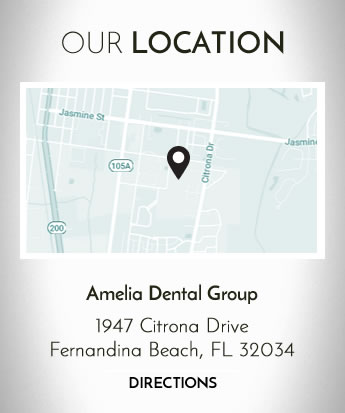
Our dental office is located in Fernandina Beach
Dental implants are artificial teeth that mimic your natural tooth roots and are placed directly into your jawbone to provide optimal support for dental crowns, bridges and removable prosthodontics such as dentures. If you are considering dental implant therapy, please use the following guide to answer some of your questions.
- Am I a candidate for dental implant treatment? Dental implants can be used in healthy patients whose jawbones have completed growing and who have sufficient quality and quantity of jawbone to have a healthy implantation.
- Is dental implant treatment safe? Dentists agree that in healthy patients who are good candidates for the procedure, dental implants are low-risk.
- Will I be in a lot of pain during dental implant surgery? Dental implant surgery is typically performed as an outpatient procedure in your dentist’s office under local anesthesia.
- Does it take a long time to undergo the procedure? Treatment can generally be performed in under an hour, depending on the number of implants required.
- Is recovery painful? Healing from dental implant surgery is typically quick and easy for most healthy people. Any lingering pain can be treated with over-the-counter pain relievers.
- When will I get my new teeth? Implants must fuse to the bone in a process called ossification, a process that can take up to six months. In most cases, temporary teeth will be in place during this time period.
- How do I care for my dental implants? You will take care of your implants in the same way you would care for your natural teeth. Brush twice a day or after meals, especially before bedtime. Floss daily and continue to maintain regular dental appointments for checkups and preventative care.
- How long do dental implants last? Dental implants can last for twenty or thirty years if you care for them properly.
We treat patients from Fernandina Beach and the surrounding area
If you’ve been wearing dentures for a while, you may have some complaints. They might fit poorly and shift or click when you talk or eat. Poor fit can lead to discomfort and sores in the mouth that worsen over time, or they can collect food underneath them, leading to bad breath.
If this sounds familiar to you, there might be alternatives for you. One of the newest developments in dentures is the pairing of standard dentures with dental implants. The dental implants are placed directly into your jawbone, providing the kind of stability only previously offered by natural teeth. Dentures fixed in the mouth with dental implants become something new: hybrid dentures.
Dentures that utilize dental implants as their anchors are very stable. They enable denture wearers to enjoy foods previously denied them, such as crisp, healthy foods or chewy cuts of meat. Eliminating the food restrictions present for many denture wearers allows them to eat a wider variety of foods, helping to reduce the risk of poor nutrition and the poor health associated with it, including digestion difficulties.
Because of this increased stability, the denture itself can be made smaller. A standard denture covers the roof of the mouth completely, inhibiting the taste and texture of foods. A denture designed around dental implants, however, has an open roof and facilitates a greater enjoyment of foods of all kinds, as well as a more natural feel for your tongue.
Dental implants also stimulate bone by mimicking natural tooth roots. This stimulation allows the bone to continue to be strong and alive, whereas the bones of the face can begin to shrink once a tooth has been extracted. This bone shrinkage leads directly to poor denture fit. Dental implants used with dentures avoid this issue.
If you are a denture wearer and you’d like to see some changes in how your dentures fit, talk to your dentist to see how using dental implants can improve your denture experience.
If you live in the Fernandina Beach area contact us today
Wisdom teeth are the third set of molars and the last adult teeth to erupt into the mouth. Most people have four wisdom teeth, two on the bottom and two on top. Many people do not have enough room for these molars to emerge completely, causing them to become impacted in the gum. Impacted wisdom teeth are difficult to clean, making them more susceptible to decay and disease. Other dental problems caused by impacted wisdom teeth include pain, damage to surrounding teeth, and bite alignment issues. For these reasons, your dentist may recommend having the impacted teeth removed to prevent future problems.
Surgery to extract an impacted wisdom tooth or set of wisdom teeth is usually an outpatient procedure done in your dentist or oral surgeon’s office. If the tooth or surrounding area are deemed to have an infection prior to the procedure, surgery will be delayed, and your dental professional will likely prescribe antibiotics to help heal the area.
On the day of surgery, local anesthesia will be administered to numb the area where the extracted tooth will be removed. Depending on the severity of your case, your dentist or oral surgeon may also utilize a general anesthetic.
Once the anesthesia has taken effect, an incision will be made to open up the gum and any bone blocking the tooth will be removed. Your dentist or surgeon will then separate the tissue connecting the bone to the tooth and extract the tooth. Some teeth are too large to remove in one piece, in which case your surgeon will cut the tooth into smaller pieces to make it easier to remove. Finally, the incision is closed with stitches and packed with gauze to help alleviate bleeding.
Long-term complications from impacted wisdom tooth surgery are rare. To ensure a successful recovery from this or any oral surgery, be sure to follow all aftercare instructions provided by your dentist or oral surgeon.
We look forward to seeing you in our Fernandina Beach dental office
Sedation dentistry is rapidly becoming an extremely popular choice for patients, offering them the best oral care available while providing them with a comfortable, stress-free experience. Benefits exist for both the patient and the dentist, especially for certain patient groups, who may only be able to obtain dental care they need while under some kind of sedation.
Sedation dentistry uses various medications to help the patient relax while undergoing a dental procedure. The sedation allows the patient to be free of fear, anxiety and stress, and in some cases, to have a reduced memory of the treatment itself. This allows for a much more favorable experience, especially when undergoing invasive, extensive or multiple-visit treatments such as extractions, gum surgery, root canals, or some cosmetic dentistry procedures.
Because sedation dentistry is specifically designed to reduce or to alleviate fear and anxiety, the patient is more relaxed during the dental visit. Dentists working on tense or anxious patients are often aware of the problem and have to work with greater care. The removal of this patient tension allows the dentist to work more quickly and surely, leading to a shorter appointment and a more positive experience for both doctor and patient.
Dentists require cooperation from the patient in order to proceed with any dental procedure. Patients who are very young, have special needs, an acute gag reflex, or movement control issues can be extremely challenging for dentists to administer the necessary care. Sedation dentistry can solve this problem, allowing for patients to be cooperative and still, providing the safest, best experience for patient and doctor alike.
Patients who have positive experiences at the dentist are more likely to return for regular dental check-ups. These patients have overall better dental hygiene and tend to have fewer serious dental issues over time. Patients who have good oral care will feel better about their smiles and will be more confident and comfortable throughout the day.
Our dental office is located in Fernandina Beach
You might have the idea that visiting the dentist isn’t that important in the overall picture of your health, but you’re wrong. Establishing a relationship with a good dentist is key to being healthy, and seeking treatment from a family dentist is a great way to spread that good health throughout your whole family.
Family dentists provide treatment for all ages. Dentists suggest that kids should begin visiting the dentist around their first birthday so that they can become adjusted to the environment and learn about proper hygiene. It’s helpful for little ones to go to the same dentist from the start, as they become comfortable with the staff and office. In theory, kids are able to go to the same family dentist their whole lives!
Adults, teenagers, and seniors are all able to visit the family dentist as well. These professionals are trained and experienced in handling dental conditions throughout all age ranges, from filling cavities common in the younger crowds to cosmetic treatments for the middle-aged to dental implants or gum disease in older adults. One dentist and one convenient location makes it easy on the whole family.
Dentists suggest getting checkups every six months for optimum oral health. That way examinations can catch and treat problems early, before they have a chance to worsen into serious issues. Professional cleanings keep your teeth healthy and looking great. Regular checkups can also improve your overall health, as studies show there’s a strong link between gum disease and issues like heart disease, diabetes, or stroke. Expectant mothers are also at higher risk of complications if they have gum disease. Oral cancer is another thing family dentists watch for during checkups. Chances of recovery are greatly increased when oral cancer is detected early.
The importance of having a family dentist cannot be downplayed. The smiles and the health of every member of your family will benefit.
We look forward to seeing you in our Fernandina Beach dental office